

February 2026
My Blessing Began Long Before the Journey
By: Bishop Benjamín Feliz
My blessing began long before the trip. It started when I received the invitation to be part of this historic gathering. When I saw the agenda and the list of guests, I began to feel joy for the journey ahead. Although the event intentionally convened a large number of Pentecostal leaders, we were enriched by the presence of ministerial colleagues from other traditions and denominations. We came from all across the United States and various countries in Latin America—all expectant and ready to receive what God had for us.
The hallways of the hotel were filled with joy as each group arrived. Those therapeutic embraces between brothers and sisters assured me this would not be just another week filled with a ministry obligation. The anticipation grew by the minute.
Finally, the welcome dinner—with every detail thoughtfully planned. Tables were intentionally arranged to encourage deep, sincere, and challenging conversations. Pentecostal coritos reminded us who we are and where we come from.
Buses took us from the hotels to the Activity Center, where a delicious breakfast awaited us. At the table, we found even more fellowship and inspiring conversations, followed by instructions about what was to come. The first stop: The Legacy Museum.
Although I had heard about the museum, nothing could have prepared me for that moment. I must confess I’ve visited many museums, including Holocaust museums. But for reasons beyond what I can explain, this pilgrimage will remain in my memory forever. Humans can forget details, dates, and events—but we never forget what we feel. The faces of my fellow travelers told me they were feeling the same way as I. Processing all the information filled us with so many emotions that, at times, deep silence was the only fitting response. How could this have happened?
Slavery is one of the historical episodes I will never fully comprehend. It’s not just the fact that one human being exploited another—sadly, we’ve become used to that. What is hardest to grasp is the level of cruelty to which so many generations were subjected.
And all of this was done with the “blessing” of people who claimed to represent God—those who used the Bible to justify slavery, white supremacy, and later, segregation in all its forms.
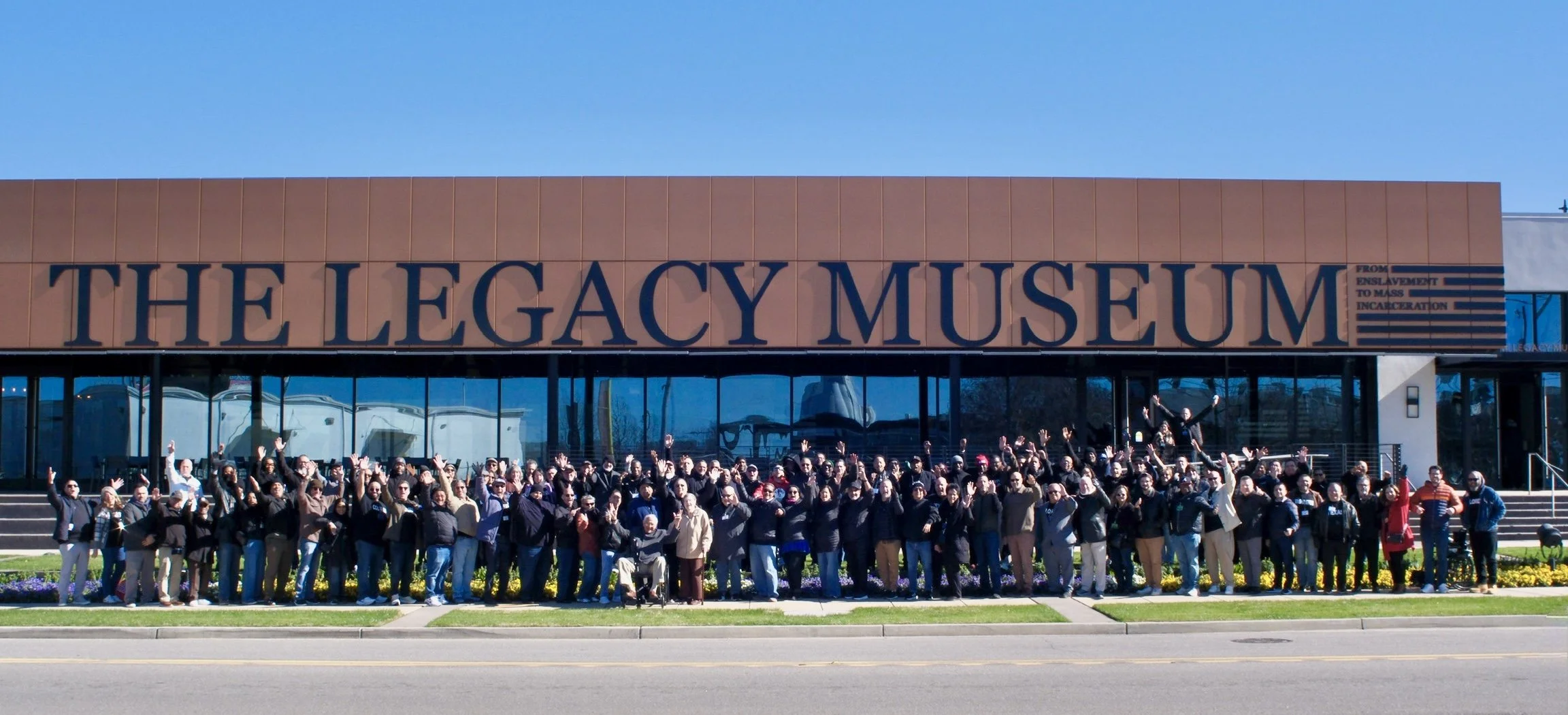
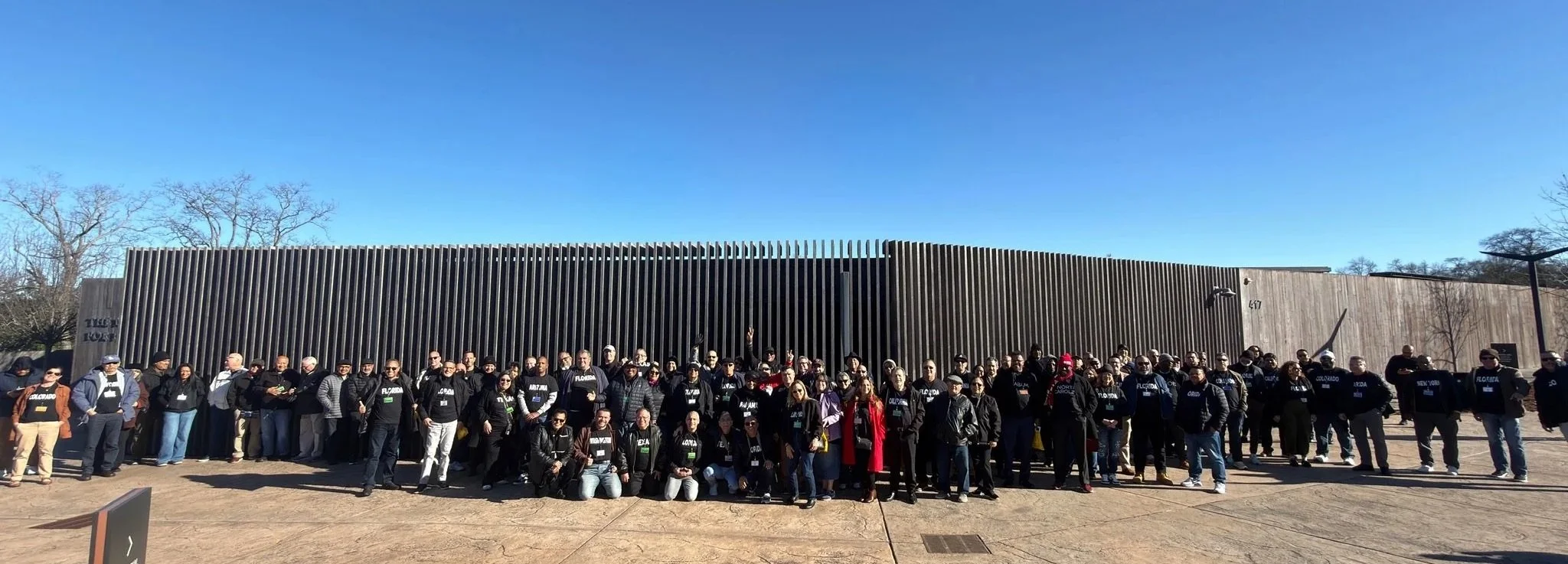
And then, almost like a liberating cry, CEPA was born: the Confraternidad de Entidades Pentecostales de las Américas (Fellowship of Pentecostal Entities of the Americas). The fact that it was born in Montgomery, Alabama—a place that witnessed so much pain, yet also sparked a great movement—will always remind us of the prophetic and social justice work Pentecostals are so familiar with. It will remind us that we, too, have our dark episodes of slavery and class struggles. It brought back to mind why our part of the continent is called América Morena (Brown America). May Pentecostal leaders of the Americas find in CEPA a forum to discern what the Spirit is saying to the churches and the continent in both good and difficult times—to celebrate our victories and comfort one another in painful and challenging moments.
Just when I thought I had seen the worst cruelty, we arrived at the National Memorial for Peace and Justice, a monument dedicated to the victims of racial lynching in the United States—honoring more than 4,000 African Americans murdered in acts of racial violence. Once again I asked myself: how could this have happened? The stories displayed there must be a wake-up call for new generations. As has been said many times: those who do not know history are condemned to repeat it.
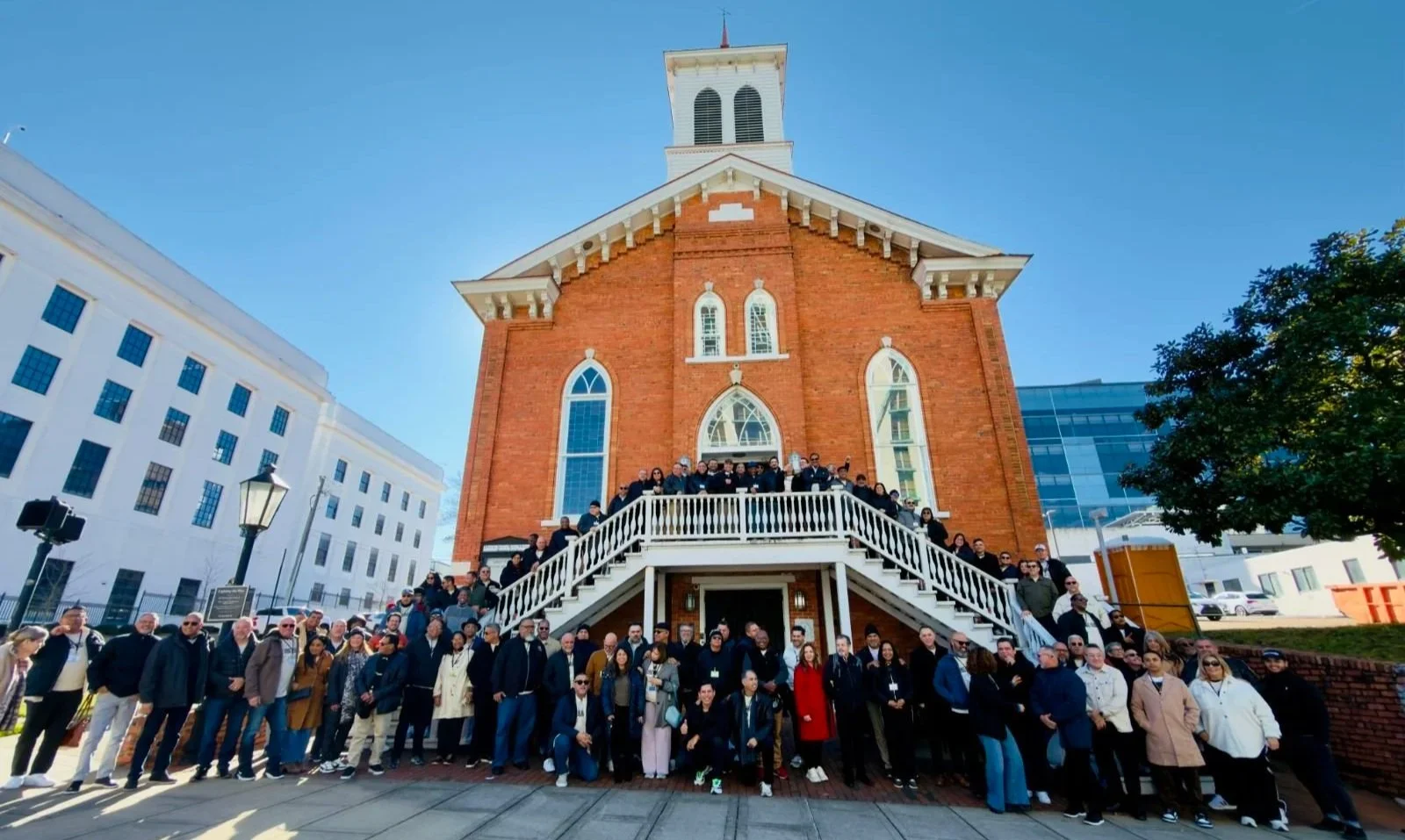
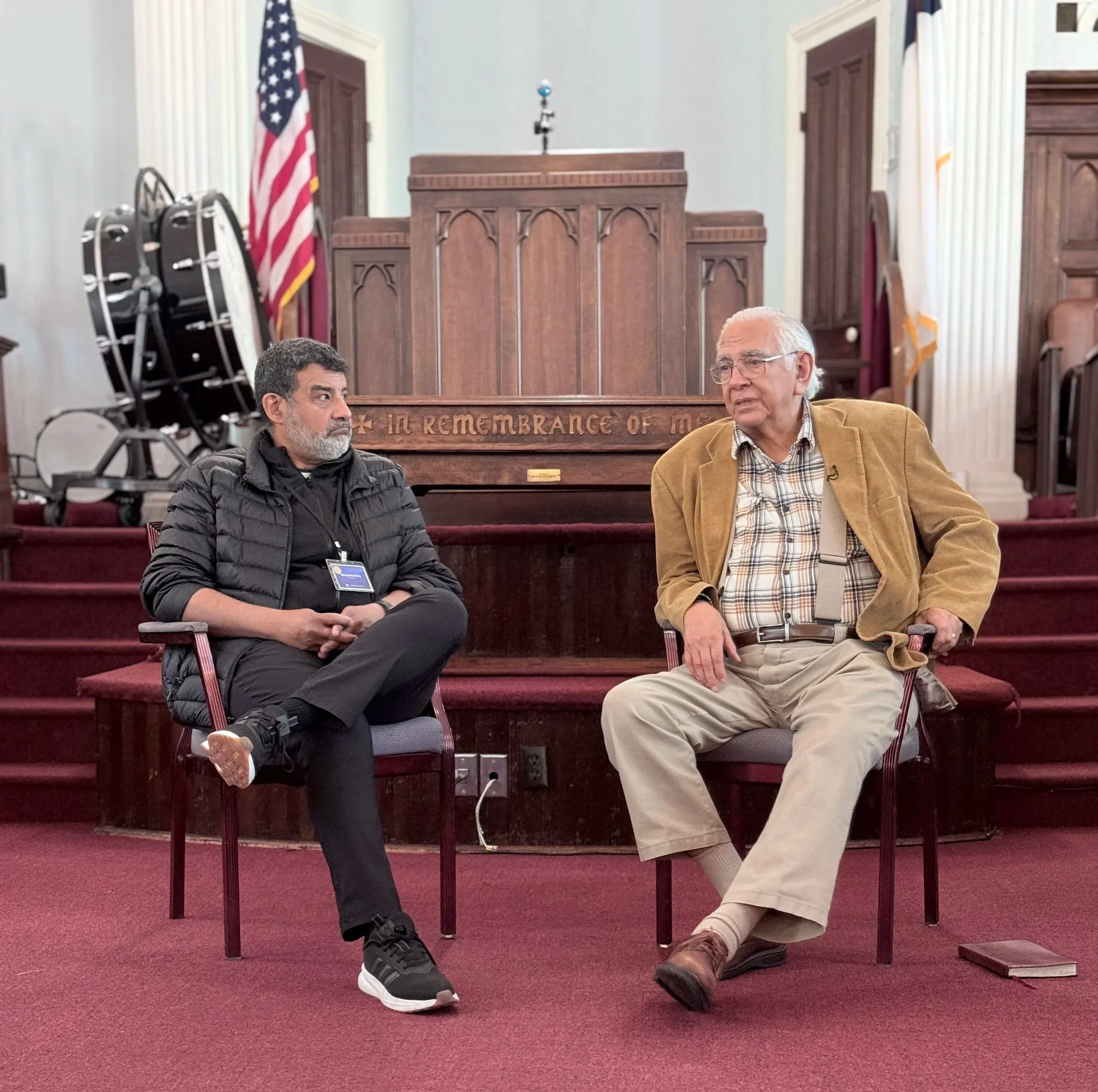
The visit to King Memorial Baptist Church held special significance. There, I had the honor of interviewing Dr. Justo González, who shared some anecdotes about his interaction with Dr. Martin Luther King Jr. during King’s visit to Puerto Rico in 1962. Hearing Dr. González speak about this encounter served as a bridge—connecting us to the great civic leader whose movement impacted the world.
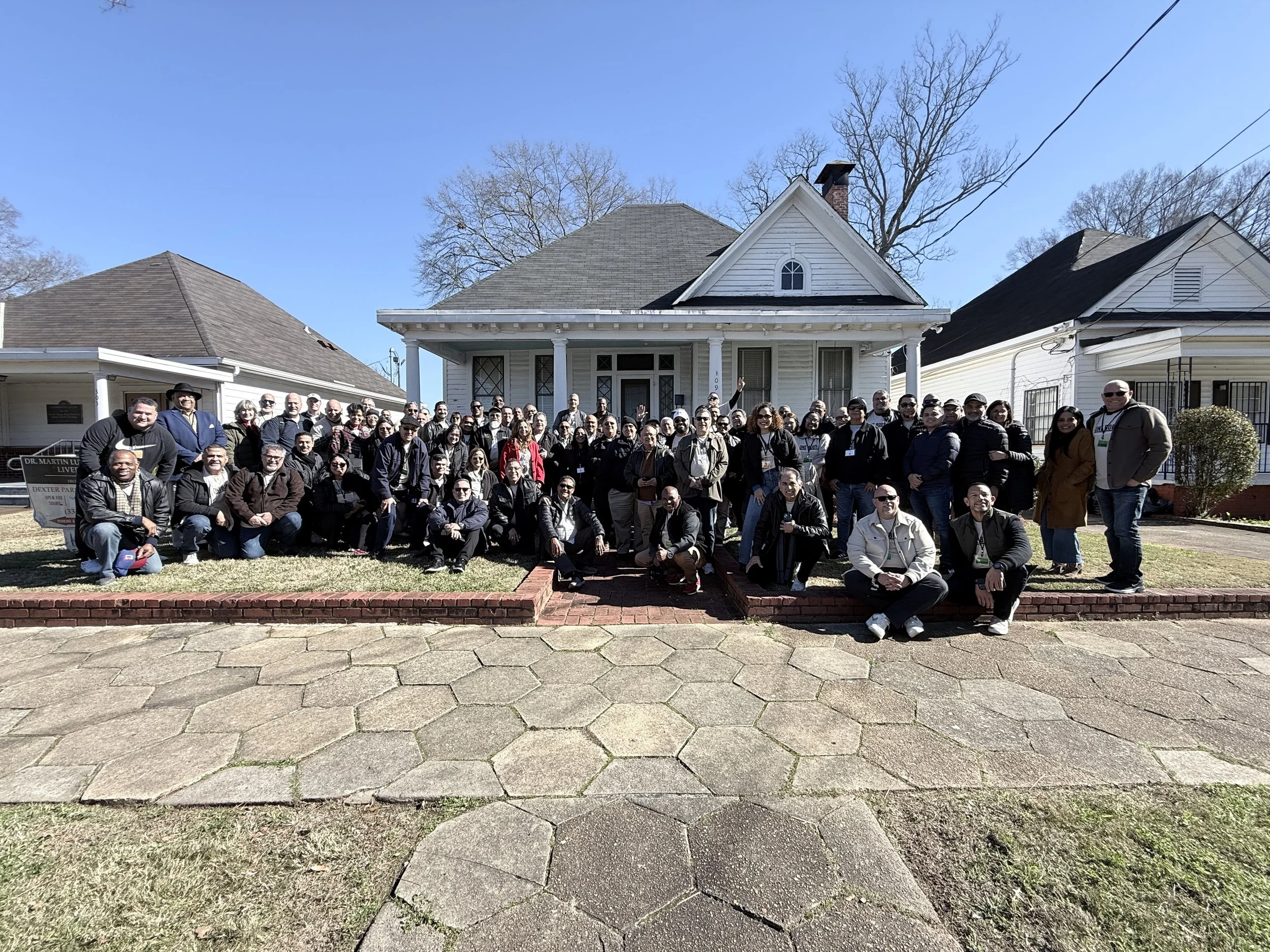
We then went to the parsonage where Dr. King lived with his family. This was a more intimate experience, allowing us to walk through the King family's story.
Bryan Stevenson, author of Just Mercy (later turned into a powerful film) and founder and director of the Equal Justice Initiative (EJI), blessed us with the best sermon I’ve heard in a long time on Micah 6:8—“He has shown you, O man, what is good. And what does the Lord require of you but to act justly, to love mercy, and to walk humbly with your God?” From his worldview and calling to social justice, he challenged us to pursue justice. As an expert lawyer, he explained the difference between law and justice and invited us to walk humbly before God and others. The gathering was enriched by the presence of several prominent leaders from the African American community.
Why is this reflection important? Because we are living in very dark days. The danger of regressing and losing ground on things we once thought were resolved is real and present. Today, some attempt to erase and rewrite history. No matter how painful it is to relive these bitter and dark moments, the world needs us to do so—with reverence—honoring those who were never honored in life, prophetically denouncing what happened, and doing everything in our power to ensure that such episodes never happen again.
Throughout our pilgrimage, companions drew parallels between the horrors suffered by our African American brothers and sisters in the past and the abuses faced by immigrants today in many cities in the US. We see on the news daily how children are taken and separated from their parents, or detained along with them. We’ve already seen several deaths in the streets and detention centers. Some of those who have died were U.S. citizens. And what’s worse: beyond physically taking their lives in broad daylight, their character is then assassinated in the media—labeled with all kinds of degrading adjectives in a calculated effort to dehumanize them. Historically, this tactic has always been used to justify acts of barbarism. We must never forget that this has been the preferred modus operandi of those who have carried out the greatest genocides in human history.
“Why is this reflection important? Because we are living in very dark days. The danger of regressing and losing ground on things we once thought were resolved is real and present.”
Today, some attempt to erase and rewrite history. No matter how painful it is to relive these bitter and dark moments, the world needs us to do so—with reverence—honoring those who were never honored in life, prophetically denouncing what happened, and doing everything in our power to ensure that such episodes never happen again.
Throughout our pilgrimage, companions drew parallels between the horrors suffered by our African American brothers and sisters in the past and the abuses faced by immigrants today in many cities in the US. We see on the news daily how children are taken and separated from their parents, or detained along with them. We’ve already seen several deaths in the streets and detention centers. Some of those who have died were U.S. citizens. And what’s worse: beyond physically taking their lives in broad daylight, their character is then assassinated in the media—labeled with all kinds of degrading adjectives in a calculated effort to dehumanize them. Historically, this tactic has always been used to justify acts of barbarism. We must never forget that this has been the preferred modus operandi of those who have carried out the greatest genocides in human history.
About The Author
Bishop Benjamín Feliz, D.Min

Bishop Benjamín Feliz serves as General Presbyter for Mexico, Central America, and the Spanish-speaking Caribbean in the Church of God of Prophecy. He previously served as Global Director of Finance, Publications, and Administration at the International Office. For nearly ten years, he also served as Supervisor of the Hispanic Southeast Region of the United States.
Brother Feliz was ordained into ministry in 1993 and consecrated as bishop in 2000. His prior ministry experience includes directing national ministries in Chile and Nicaragua, leading local and regional youth ministries in the Dominican Republic and the United States, and pastoring three churches in the United States.
In addition to his ministry within the Church of God of Prophecy, Bishop Benjamín Feliz served as Vice President of the Fellowship of Revival Councils for four years, an organization he later presided over for three years. In the academic field, he has served as an adjunct professor at Gordon-Conwell Theological Seminary, Western Theological Seminary, and Fuller Theological Seminary, teaching courses in administration and leadership. Brother Feliz holds bachelor’s degrees in Business Administration and Theology, master’s degrees in Business Administration (MBA) and Ministry (Arts and Religion), and a Doctor of Ministry degree.
Born in Santo Domingo, Dominican Republic, he has traveled and lived in several countries preaching and teaching the Word of God, planting new churches, and developing leaders. He resides in Cleveland, Tennessee, with his wife Damaris, his children Benjamín Jr. and Leanna, his son-in-law Tony, and his grandchildren Isaiah and Brianna. Brother Benjamín enjoys reading good books, soccer, and tennis.
