

OCTOBER
“The Greatness of a Nation at the Expense of the Oppressed: Judah Confronted by Jeremiah”
By Bishop Dr. Luis Alba Rodriguez
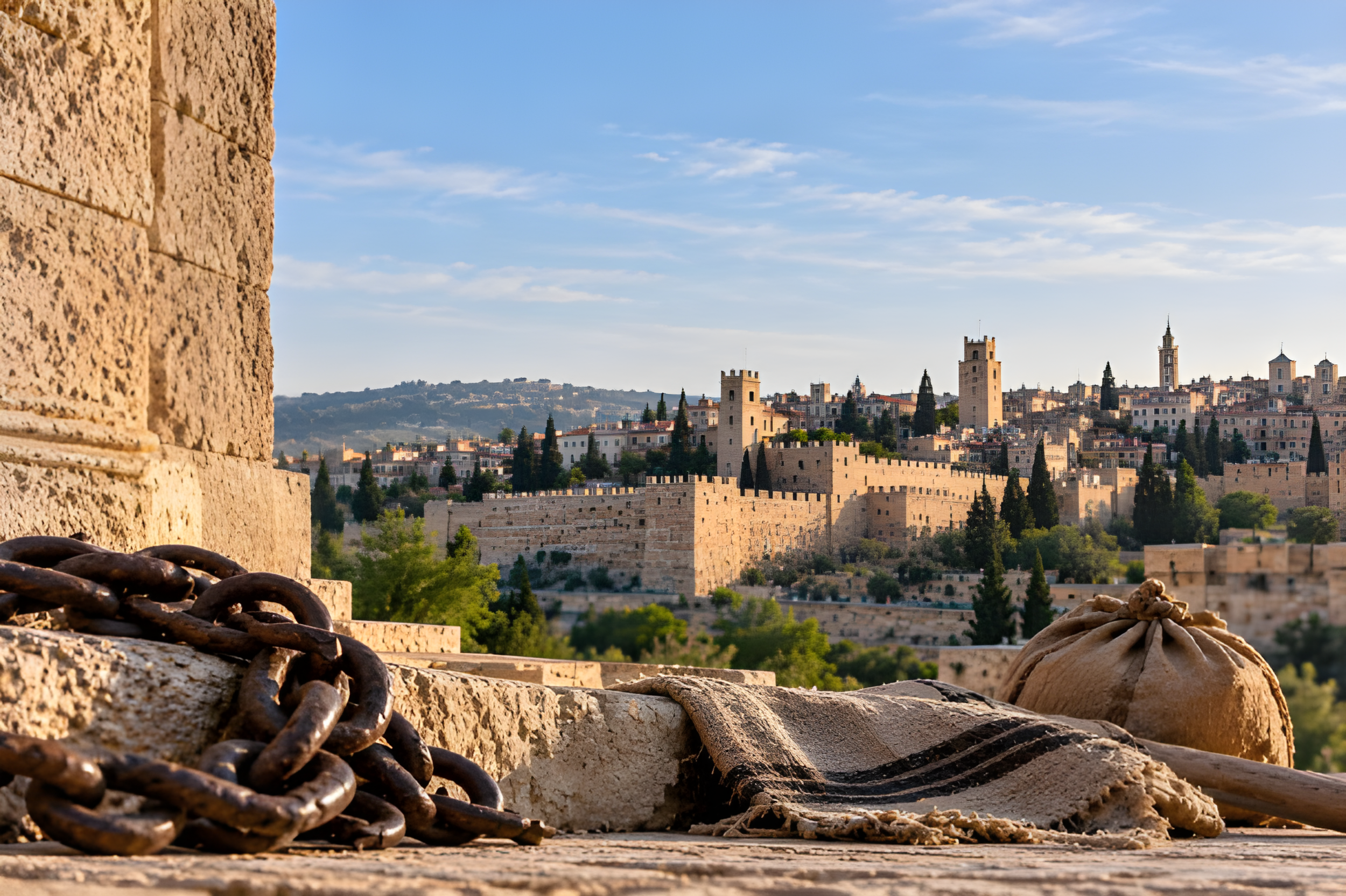
How is a nation’s greatness measured? By its wealth, its buildings, its political power, or the strength of its institutions? For the ancient kingdom of Judah, the answer seemed to lie in its palaces, walls, and majestic temple. Yet amid that apparent greatness, a prophetic voice arose to challenge this way of understanding prosperity. It was Jeremiah, who offered a different measure: a nation’s true greatness is revealed in how it treats its most vulnerable people.
That message challenged Judah’s rulers more than 2,500 years ago. Though times have changed, it continues to speak to our societies, our leaders, and especially the church.
Jeremiah prophesied during the final years of the kingdom of Judah, between the seventh and sixth centuries BC. These were times of political uncertainty. Assyria was beginning to crumble, Babylon was emerging as a new power, and Judah was trying to survive between empires vying for control of the region.
After the reign of Josiah, remembered for his religious reforms, his descendants came to the throne: Shallum, also known as Jehoahaz; Jehoiakim; and later Jeconiah, Jehoiakim’s son. Their stories were marked by a common reality: they strayed from the justice God expected of their rulers.
Yet Jeremiah’s message did not begin with a sentence of destruction, but with an opportunity to change course. God extended an invitation to repent, because the purpose of the prophetic voice is not only to denounce sin, but to call the people back to faithfulness.
“This teaching finds a powerful echo in the parable of the Good Samaritan.”
God sent Jeremiah to the king’s palace with a simple but demanding instruction: practice justice and righteousness, rescue the oppressed, do not mistreat the foreigner, the orphan, or the widow, and do not shed innocent blood (Jer. 22:1–3).
This was not a secondary recommendation, but a fundamental requirement of the covenant between God and Israel. The king’s legitimacy rested not only on his descent from David, but also on his obedience to God, especially in defending those who had no power.
Centuries later, this teaching finds a powerful echo in the parable of the Good Samaritan. Jesus describes a wounded man left abandoned. A priest and a Levite see him and pass by. Finally, a Samaritan, despised by many, stops and responds with compassion (Luke 10:30–37).
Both Jeremiah and Jesus remind us that true faithfulness to God is not demonstrated by religious status alone, but by how we respond to human suffering.
This warning takes concrete form in the stories of Judah’s kings.
“Whoever oppresses the poor also insults their Creator (Prov. 14:31).”
Jehoahaz, Josiah’s son, reigned for only three months before Pharaoh Necho took him captive to Egypt (2 Kings 23:31–34). Jeremiah declared that they should not weep for Josiah, the dead king, but for the one leaving for exile, who would never return. His story reminds us that prestige and privilege can disappear quickly. Greatness that depends solely on power is fragile.
Then his brother Jehoiakim came to the throne, and the prophetic denunciation became more direct. Jehoiakim wanted to build an impressive palace, with spacious rooms and luxurious finishes. The problem was not his desire to build, but the human cost of that construction.
According to Jeremiah, Jehoiakim built his palace using the labor of people he did not pay fairly (Jer. 22:13–14). Behind its walls lay the suffering of exploited workers. His comfort was being financed by injustice.
God denounced this conduct as a moral and spiritual offense. Whoever oppresses the poor also insults their Creator (Prov. 14:31).
Here we find a fundamental lesson: prosperity is not always a sign of God’s blessing, especially when it is built at the expense of other people’s dignity.
The consequences did not end with Jehoiakim. His son Jeconiah inherited a kingdom weakened and threatened by Babylon. His story reminds us that new generations often bear the consequences of decisions they did not make. Not even his position in the dynasty could guarantee his future (Jer. 22:24–26).
Yet amid these stories of failure, Jeremiah directs our attention to Josiah, who offers a hopeful contrast.
Josiah also enjoyed the privileges of a king. He ate and drank, the text says. But something set him apart from his descendants: he defended the cause of the poor and the needy.
Then God asks an extraordinary question: “Is that not what it means to know me?” (Jer. 22:16).
God connects knowing who God is with practicing justice. This does not mean that doctrine, prayer, or worship are unimportant. It means that authentic spirituality should bear visible fruit in the way we treat others.
Our churches may be full, our programs successful, and our religious activity intense. But if we remain indifferent to our neighbors’ suffering, we must ask ourselves what part of our faith we have stopped living out.
“Behind the statistics are human stories”
This is where Judah’s story stops feeling distant.
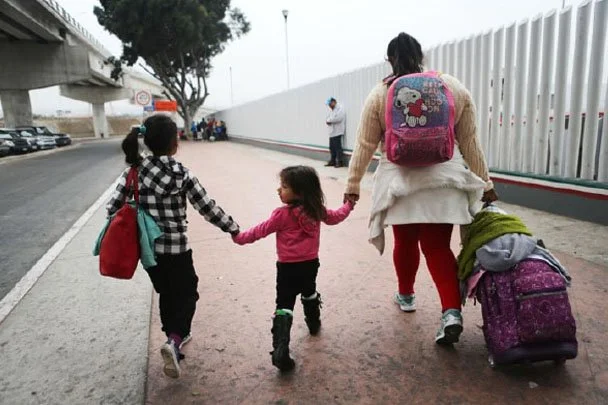
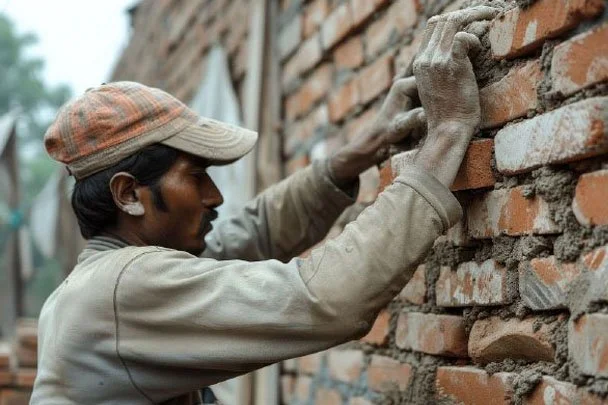
Millions of Latin American immigrants live in the United States and contribute every day to the well-being of our communities. They build buildings, harvest food, care for older adults, and perform essential work. They are also parents, students, neighbors, and members of our congregations.
Behind the statistics are human stories: families who have built a life over decades, children who know this country as their home, and people living with uncertainty about their future.

Latin American theological reflection offers two helpful ideas.
The first is the Imago Dei, the image of God.
If every human being was created in God's image (Gen. 1:26–27), then human worth does not depend on immigration documents, nationality, or economic productivity. That worth exists before any legal document is issued.
Therefore, to mistreat an immigrant is to offend their Creator, and the church must call people by their names rather than reducing them to statistics or labor.
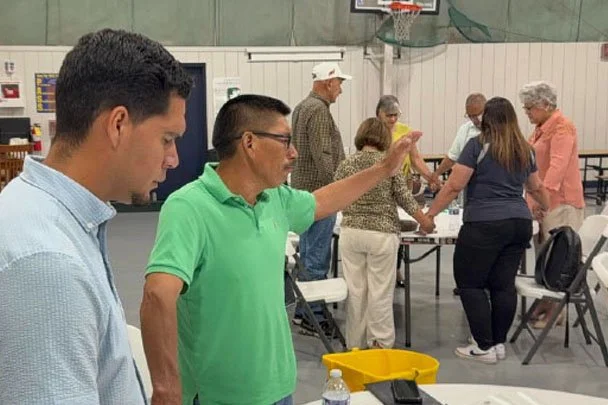
Immigrant congregations also have a twofold responsibility: to affirm the dignity of their members when the world around them denies it, and to resist responding with hatred, because hatred also distorts the image of God within us.
The second is integral mission, which emerged in Latin America through the work of René Padilla, Samuel Escobar, and Orlando Costas, and gained greater recognition following the 1974 Lausanne Congress.
Its central conviction is that the gospel addresses the whole person and every dimension of human life. Proclaiming salvation and practicing justice are one mission expressed in two ways.
This mission takes shape through very practical actions: accompanying families with legal assistance and personal support, opening churches as places of refuge and education, defending exploited workers, and speaking publicly without allegiance to any political party, but also without remaining silent, just as the prophet spoke before the throne.
A continent that has experienced displacement and poverty reads the Bible from the perspective of the vulnerable. From that perspective, it recognizes that the God of Jeremiah is not neutral in the face of oppression.
Several convictions emerge from this chapter.
God demands justice, and the injustices He condemns include exploitation and indifference toward the poor.
Leadership is measured by how the vulnerable are treated, and no amount of ministerial success can replace godly character and the social responsibility that flows from faith.
Evangelism and the pursuit of justice belong together.
“Therefore, to mistreat an immigrant is to offend their Creator.”
And privileges, whether based on the temple, ancestry, or nationality, are no substitute for faithfulness lived out every day.
Jeremiah 22 confronts leaders who used power for their own benefit and abandoned justice. It announces the fall of Jerusalem, but above all, it teaches that knowing God means standing alongside the poor and oppressed.
When read in light of the realities faced by immigrants, this chapter calls us to recognize the image of God in every person and to live out a mission that both proclaims the gospel and serves others.
The question from verse 16 remains open before the church:
“Is that not what it means to know me?”
About the Author
Luis Alba and Tere Alba are the founding pastors of Centro Cristiano Cántico Nuevo in El Paso, Texas, where they have served for 25 years. Together, they lead a family dedicated to ministry and have devoted 20 years to advocacy and social justice on behalf of the immigrant community.
Luis is currently a Doctor of Ministry (DMin) candidate at Western Theological Seminary. He holds a Master of Arts in Biblical Studies and a Graduate Certificate in Pastoral Ministry from Western Theological Seminary. He also earned a Bachelor's Degree in Theology from Centro de Estudios Teológicos Fuente de Vida in Mexico and a diploma in Theological Studies from the West Texas and Plains District Association of Ministerial Schools of the Assemblies of God.
He serves on the Executive Board of the National Latino Evangelical Coalition (NALEC) and works closely with the Association of Pastors in El Paso, Texas.
He is also the author of the poem Solo Somos Inmigrantes (We Are Just Immigrants).

Bishop Dr. Luis Alba Rodriguez
