


There Always Seemed to be Room for One More
By Rev. Lori Tapia
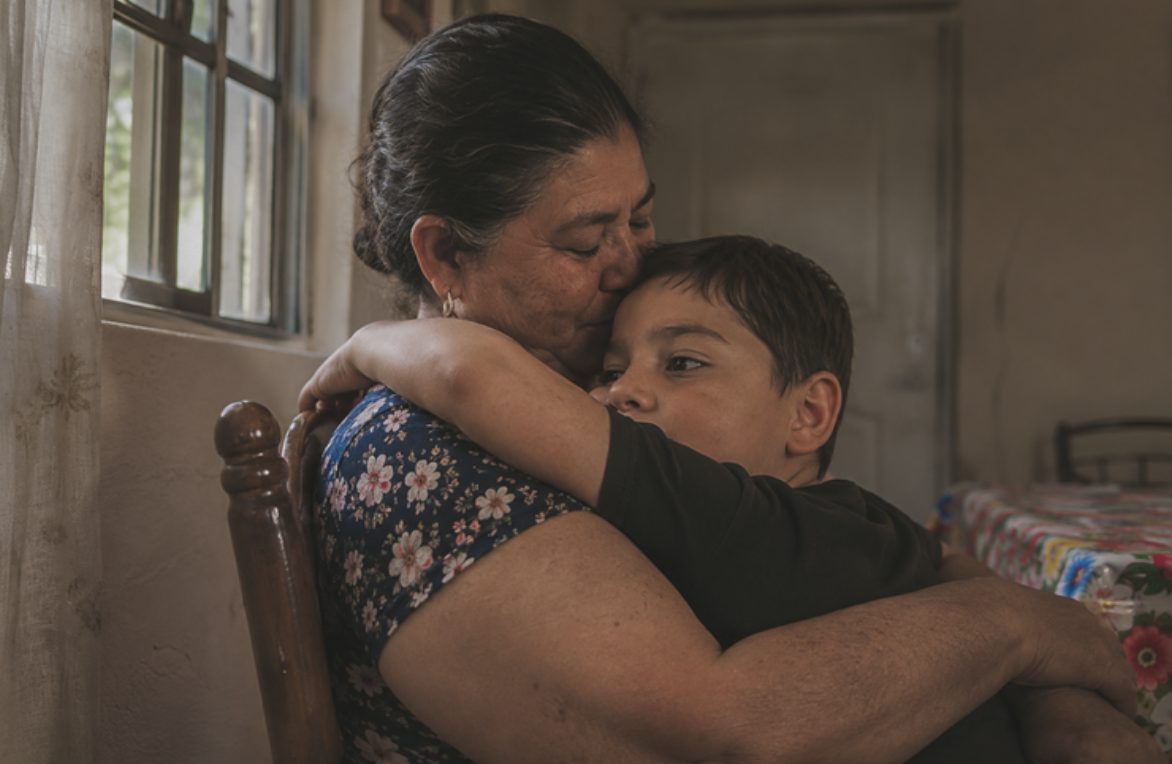
Every Saturday, my nana's kitchen became a gathering place. She prepared lunch for our family, our extended family, and whoever happened to show up. Some Saturdays there were twelve people. Other times, thirty. It didn't matter. Everybody ate.
I still think about that kitchen, the conversations, and how there always seemed to be room for one more. My nana had a way of making what she had enough. The biblical story of the loaves and fishes came to life through a pot of fideo soup. I didn't know it then, but some of my earliest lessons in theology and leadership happened around her table.
I grew up along the Arizona–Sonora border, an in-between world where family, culture, faith, and relationships crossed geographical boundaries. My parents raised me in a community where belonging was something we practiced. I was adopted at birth, and from an early age, they told me the story of how I had been chosen. As a child, being chosen made me feel special. Only later did I understand how profoundly that love shaped my understanding of belonging and God's grace. It also taught me that the love we receive is meant to be shared.
“I still think about that kitchen, the conversations, and how there always seemed to be room for one more.”
When Jesus lamented over Jerusalem, he longed to gather its children as a hen gathers her brood beneath her wings (Matthew 23:37). I have always been drawn to the tenderness of that image, but lately I find myself lingering over the grief in his words. He longed to gather and protect, even when that love was resisted.
Those words take me back to my nana’s kitchen. Even when, as a rebellious teenager, I couldn't receive her love and protection, deep down I desperately needed them and she knew it.
My nana Guadalupe, my mom Graciela, my Tía Norma, our neighbor Lucy, and so many other women lived this kind of love. They mothered families and communities, organized church events and fundraisers, and carried responsibilities that often went unrecognized. They taught me that hospitality can change environments and showing up when it matters can change hearts.
Life on the border also taught me painful lessons. I witnessed how differently people were treated because of where they were born or what they had or didn’t have. I struggled to reconcile the generosity of my community with the inequality and exclusion around us.
If I'm honest, I still do.
Today, as immigrant families live with fear and the possibility of separation, I return to Jesus' lament. What does it mean to follow a Savior who longs to gather people beneath his wings while we become increasingly willing to separate them? Behind every immigration policy are people who bear God's image. I cannot hear the stories of frightened parents and children without remembering the women who raised me. Their instinct was to protect life, not question who deserved their care.
“Behind every immigration policy are people who bear God's image.”
That understanding follows me into my calling as National Pastor and President of Obra Hispana. As the first woman to lead Hispanic Ministries for a denomination in this country, I have encountered both expectations of failure and surprise at my success. Neither defines me. I continue learning to walk fully and unapologetically in who God calls me to be, carrying my community with me. I show up, I listen, I learn, I mentor, I speak truth, and I lead, trusting that God is with me.
I pastor the Church through beautiful moments and some deeply painful ones. Church is beautiful and messy, much like life on the border. Both have taught me to live in the tension rather than allow it to diminish my joy. Sometimes, you simply have to dance in the in-between.
Growing up between cultures and expectations, I sometimes questioned whether I was enough. Psalm 139's reminder that we are wonderfully made became a truth I had to learn to believe. That journey toward authenticity, explored in my book Hello! Nice to Meet Me: a journey to the most authentic you, continues to shape my leadership.
I especially hope young women discerning their callings will recognize that their voices matter. They need not become someone else to belong or lead. The Church needs their gifts, their stories, and their courage, not merely their willingness to serve but their wisdom in shaping its future.
“The Church needs their gifts, their stories, and their courage, not merely their willingness to serve but their wisdom in shaping its future.”
And now, I am the nana! I am now gathering everyone around my table. Thanks to my nana and my mother, I am an excellent cook, too.
Perhaps that is where I find myself today: grateful for the communities that taught me to make room, yet troubled by how easily that same belonging is denied to others.
My nana never asked who deserved to eat. She made room. Somehow, there was enough.
I wonder what might change if we allowed that same love to shape our churches, our leadership, and the way we treat our neighbors.
“My nana never asked who deserved to eat. She made room. Somehow, there was enough.”
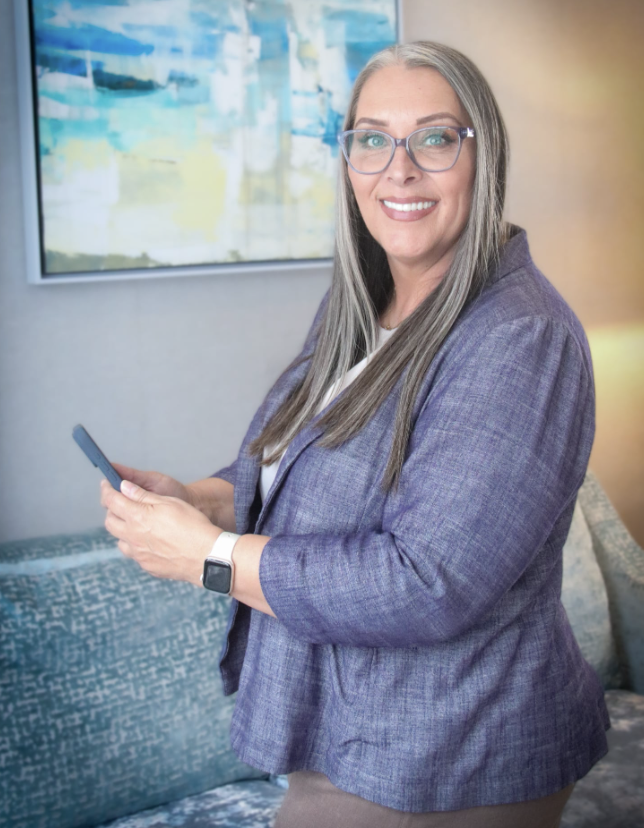
The Rev. Lori Tapia serves as the National Pastor and President of the Obra Hispana of the Christian Church (Disciples of Christ) in the United States and Canada. Her election as the first woman to hold this position marks a historic milestone for the Church, embodying leadership that breaks barriers and opens new possibilities. Her passion is empowering others through faith and identity and nurturing discipleship rooted in genuine relationships that strengthen well-being.
Formed by her Arizona-Mexico border roots, she has extensive experience in community development, social services, and administrative and pastoral leadership, with a consistent commitment to strengthening families, congregations, and leaders for the work of God's kingdom. A tireless advocate for social justice, Rev. Tapia champions a form of leadership that responds to the challenges of our time while remaining deeply connected to and rooted in the Gospel of Jesus Christ. She serves on the Boards of Bread for the World and the Latino Christian National Network (LCNN).
Rev. Tapia earned her Master of Divinity from Claremont School of Theology and is currently pursuing doctoral studies at Lexington Theological Seminary. She was a Public Theology Fellow at Wesley Theological Seminary and was a recipient of the Reflective Leadership Grant from Duke Divinity School.
About the Author
Rev. Lori Tapia
